5 days ago
Introduction
As people age, maintaining an active lifestyle becomes increasingly important to preserve joint health and overall mobility. For individuals over 45, inactivity can significantly contribute to knee pain, a common complaint that affects quality of life and daily functioning. This article explores the dangers of inactivity in this age group, the physiological reasons behind knee pain, and practical, simple movements that can help relieve discomfort and promote joint health.
Context: The Growing Concern of Knee Pain in Middle Age
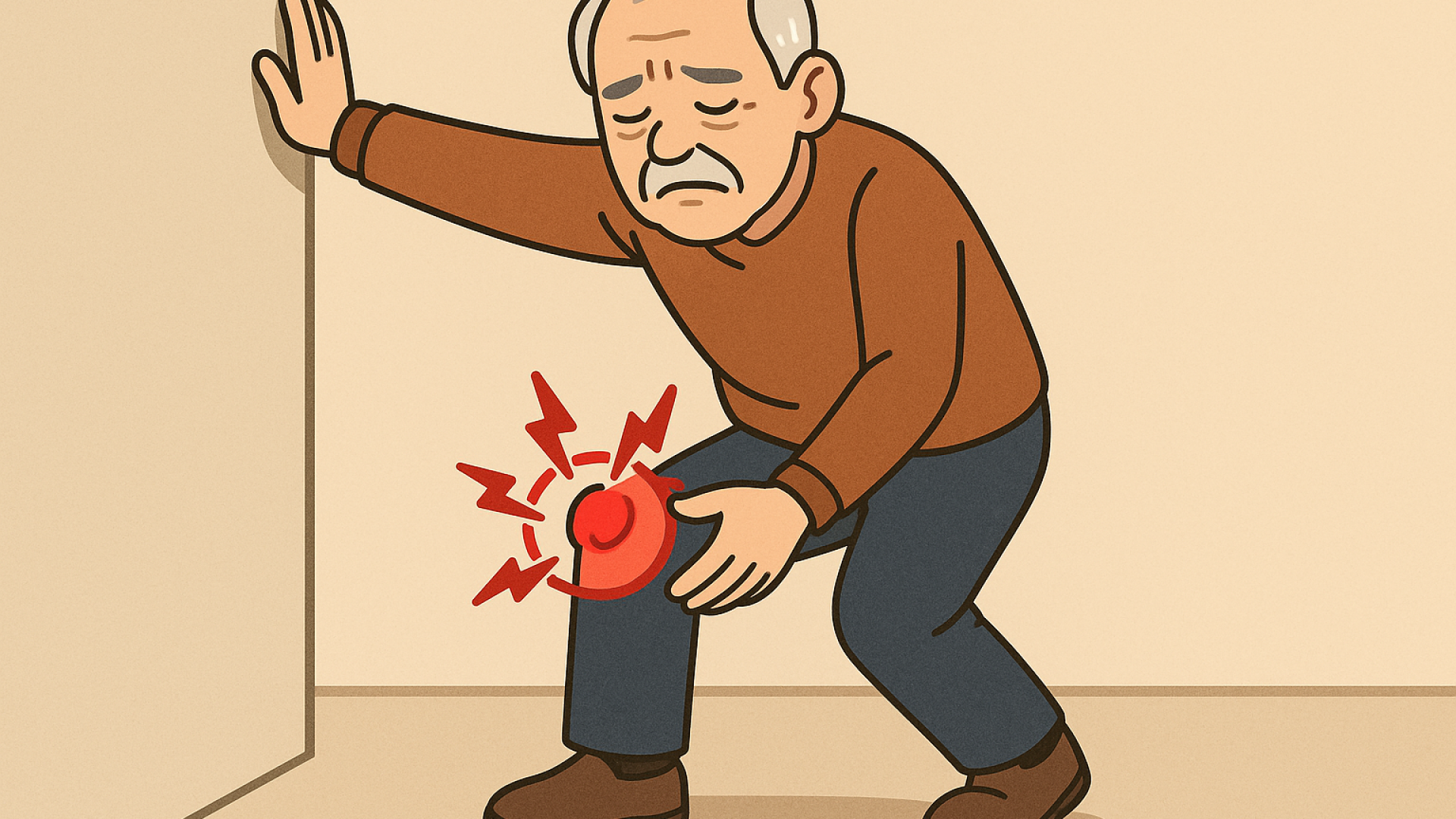
Knee pain is one of the most frequent musculoskeletal complaints among adults over 45. It can result from various factors including osteoarthritis, ligament injuries, and muscle weakness. However, inactivity is a major contributor that often goes unaddressed. Sedentary lifestyles lead to muscle atrophy, reduced joint lubrication, and increased stiffness, all of which exacerbate knee pain.
According to health experts, the decline in physical activity after middle age is linked to lifestyle changes, work demands, and sometimes chronic health conditions. This inactivity not only affects the knees but also increases the risk of obesity, cardiovascular disease, and diabetes, creating a cycle of health deterioration. The consequences extend beyond joint pain, impacting overall physical and mental well-being.
The Core Issue: How Inactivity Causes Knee Pain
The knee joint is a complex structure consisting of bones, cartilage, ligaments, tendons, and muscles. It relies heavily on movement to maintain its health. When the joint is not regularly exercised, several physiological changes occur:
- Muscle Weakness: The quadriceps and hamstrings support the knee. Lack of exercise leads to muscle weakening, reducing joint stability and increasing strain on ligaments. Weak muscles fail to absorb shock effectively, placing more pressure on the joint itself.
- Cartilage Degeneration: Cartilage requires movement to receive nutrients through synovial fluid. Inactivity reduces this nourishment, accelerating cartilage wear and tear. Over time, this can lead to thinning of the cartilage and increased bone-on-bone contact, causing pain and inflammation.
- Joint Stiffness: Without regular movement, the knee joint becomes stiff, limiting range of motion and causing discomfort. Stiffness can make everyday activities like walking, climbing stairs, or bending the knee more difficult.
- Weight Gain: Sedentary behavior often leads to weight gain, which increases pressure on the knees, worsening pain and damage. Excess weight also contributes to systemic inflammation, further aggravating joint problems.
These factors combined contribute to the onset and progression of knee pain, often culminating in conditions such as osteoarthritis, which is a leading cause of disability among older adults.
Identifying Symptoms and When to Seek Help
Recognizing early signs of knee problems is crucial for timely intervention. Common symptoms include:
- Persistent or intermittent knee pain during or after activity
- Swelling or tenderness around the knee
- Stiffness, especially after periods of inactivity
- Reduced range of motion or difficulty bending the knee
- A feeling of instability or the knee giving way
If these symptoms persist or worsen, consulting a healthcare professional is recommended to rule out serious conditions and receive appropriate treatment. Early diagnosis can prevent further joint damage and improve long-term outcomes. Additionally, sudden severe pain, inability to bear weight, or visible deformity requires immediate medical attention.
Simple Movements and Exercises to Relieve Knee Pain
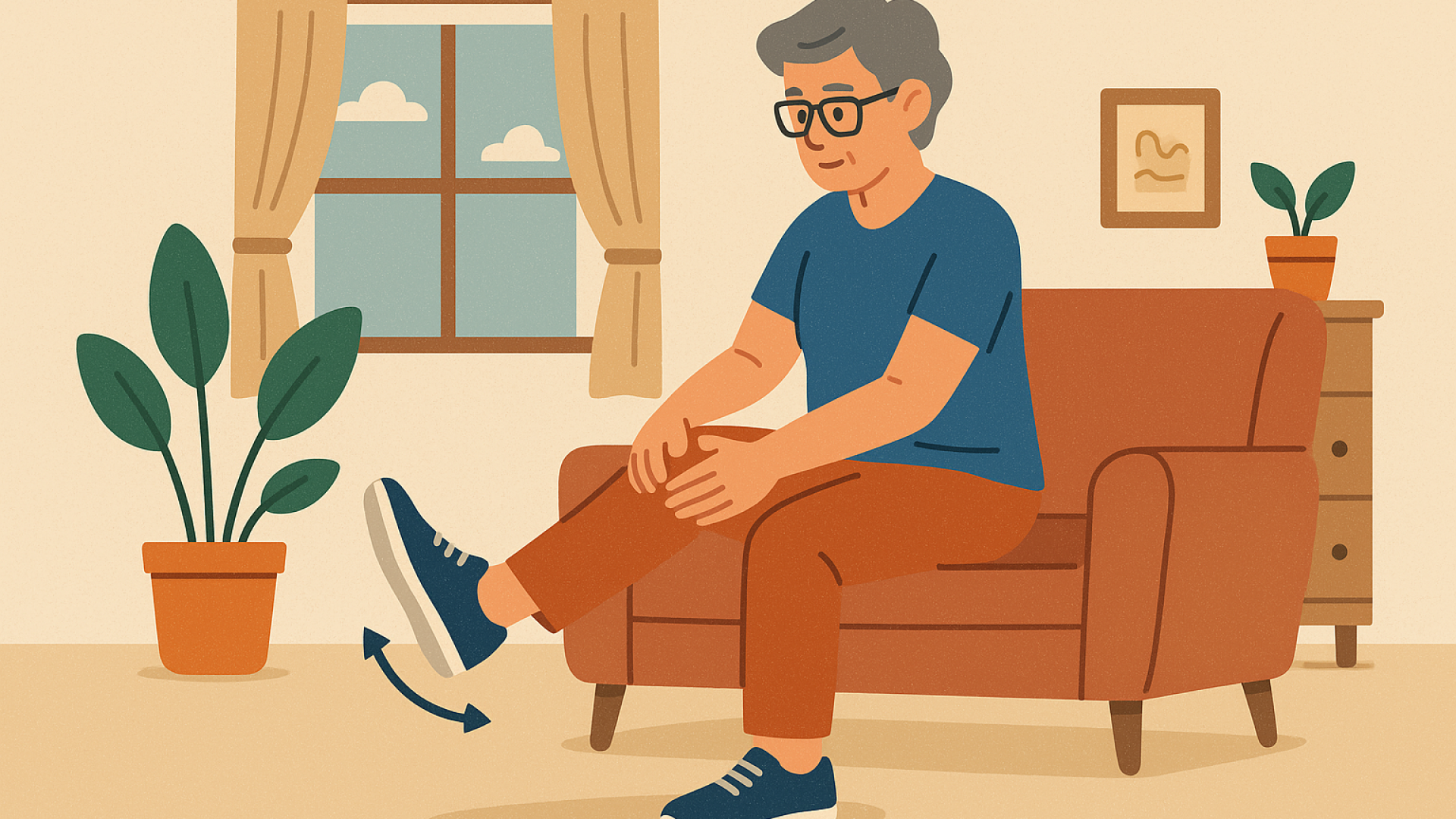
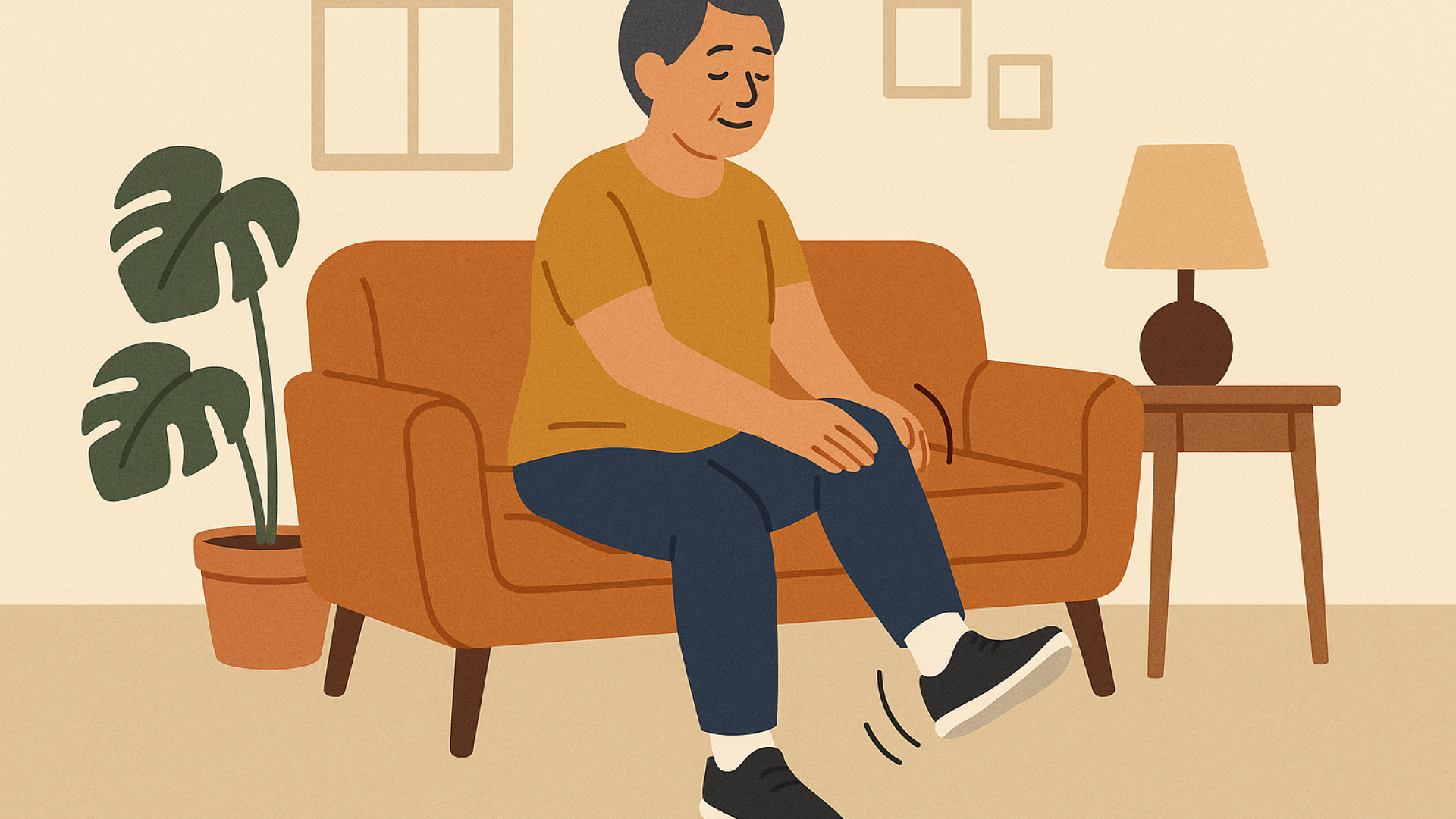
Incorporating gentle, targeted exercises can significantly alleviate knee pain and improve joint function. Below are some recommended movements suitable for individuals over 45, designed to strengthen muscles, increase flexibility, and reduce stiffness:
1. Quadriceps Sets
While seated or lying down, tighten the thigh muscles by pressing the back of the knee down toward the floor or bed. Hold for 5-10 seconds and release. Repeat 10-15 times. This exercise helps strengthen the quadriceps without putting strain on the knee joint.
2. Straight Leg Raises
Lie on your back with one leg bent and the other straight. Slowly lift the straight leg to the height of the bent knee, hold for a few seconds, then lower it slowly. Perform 10-15 repetitions per leg. This movement strengthens the quadriceps and improves knee stability.
3. Hamstring Curls
Standing and holding onto a chair for balance, bend one knee bringing the heel toward the buttocks. Hold for 5 seconds and lower. Repeat 10-15 times on each leg. Strengthening the hamstrings supports the knee and helps balance muscle groups around the joint.
4. Heel and Calf Raises
Stand with feet shoulder-width apart, slowly raise your heels off the ground, balancing on your toes. Hold for a few seconds and lower. Repeat 10-15 times. This exercise improves calf strength and ankle stability, which indirectly supports knee function.
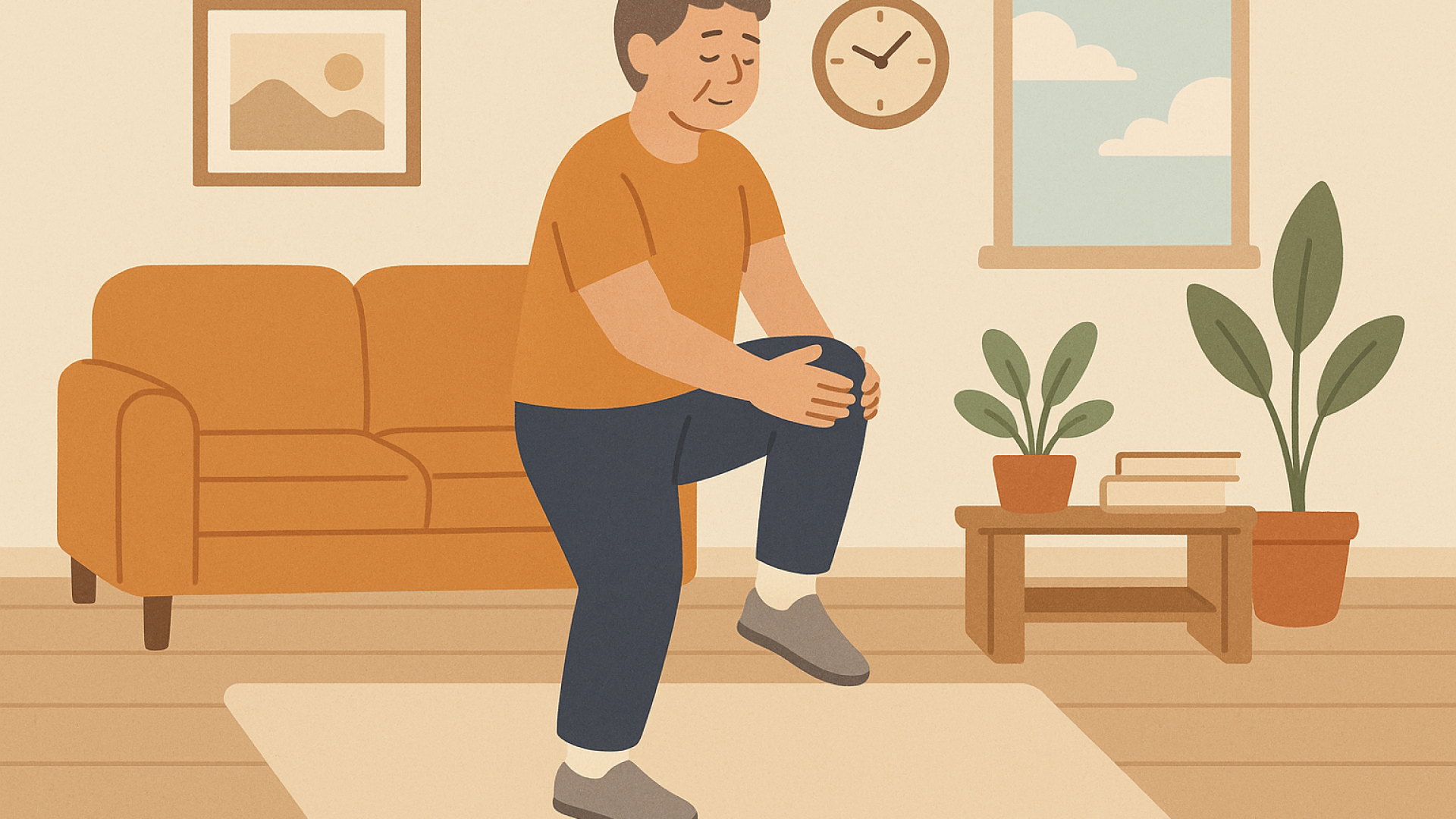
5. Knee Marching
While seated, lift one knee toward the chest, lower it, and then lift the other. This helps improve knee mobility and circulation, reducing stiffness and promoting joint health.
These exercises should be performed gently and consistently. It is advisable to consult a physical therapist or healthcare provider before starting any new exercise regimen, especially for individuals with existing knee conditions. Proper technique and gradual progression are key to avoiding injury and maximizing benefits.
Additional Lifestyle Tips for Knee Health
Beyond exercises, several lifestyle modifications can help protect the knees and reduce pain:
- Maintain a Healthy Weight: Reducing excess weight decreases stress on the knees, lowering the risk of cartilage damage and pain.
- Stay Hydrated: Proper hydration supports joint lubrication and overall tissue health.
- Use Supportive Footwear: Shoes with good arch support and cushioning reduce knee strain and improve alignment.
- Avoid Prolonged Sitting: Take breaks to stand and move regularly to prevent stiffness and promote circulation.
- Incorporate Low-Impact Activities: Swimming, cycling, and walking are gentle on the knees while promoting cardiovascular fitness and muscle strength.
- Practice Good Posture: Proper alignment during standing and walking reduces unnecessary stress on the knees.
- Warm Up and Cool Down: Preparing muscles and joints before activity and stretching afterward can prevent injury and stiffness.
Potential Medical Interventions
In cases where knee pain is severe or persistent despite lifestyle changes and exercise, medical evaluation is necessary. Treatment options may include:
- Physical Therapy: Customized programs to strengthen muscles and improve joint function, often including manual therapy and modalities to reduce pain.
- Medications: Pain relievers and anti-inflammatory drugs to manage symptoms and improve quality of life.
- Injections: Corticosteroids or hyaluronic acid to reduce inflammation and improve lubrication within the joint.
- Surgical Options: In advanced cases, procedures such as arthroscopy to repair damage or knee replacement surgery may be considered to restore function.
Early intervention can delay or prevent the need for surgery. A multidisciplinary approach involving doctors, physical therapists, and nutritionists often yields the best outcomes.
Conclusion
For individuals over 45, inactivity poses significant risks to knee health, often leading to pain and reduced mobility. Understanding the causes and early symptoms of knee problems is essential for prevention and management. Simple, consistent exercises combined with healthy lifestyle choices can greatly alleviate discomfort and improve quality of life. When necessary, seeking professional medical advice ensures appropriate care and treatment. Staying active is not only beneficial but vital for maintaining knee function and overall well-being as we age. Embracing movement and mindful habits today can help preserve independence and vitality for years to come.