 7 months ago
Introduction
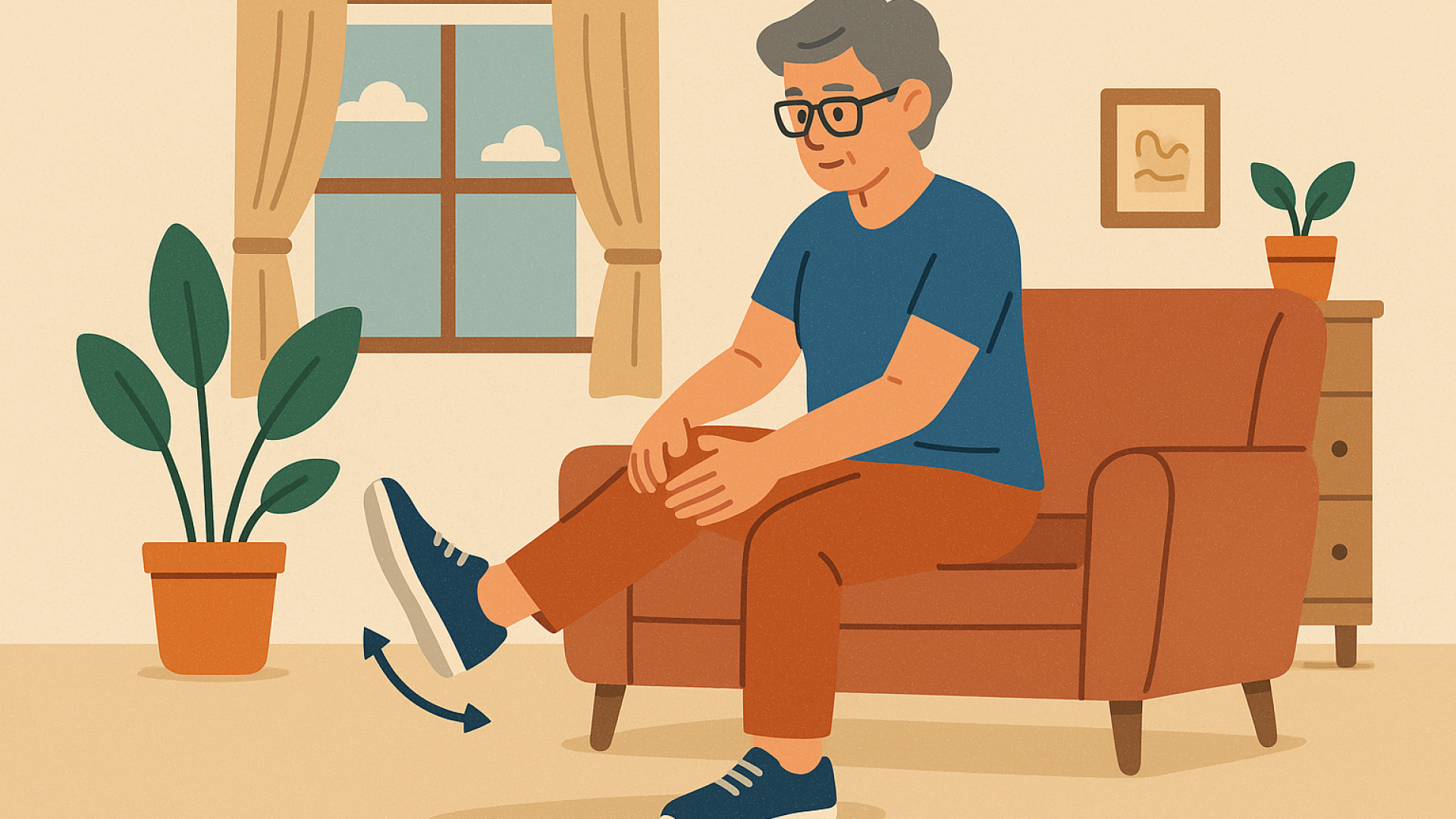
As people age, maintaining an active lifestyle becomes increasingly important for overall health and well-being. However, many individuals over the age of 45 experience a decline in physical activity, which can lead to a variety of health issues, including knee pain. Knee pain is a common complaint among middle-aged and older adults, often resulting from inactivity, joint degeneration, or underlying medical conditions. This article aims to provide a comprehensive understanding of the dangers of inactivity for those over 45, focusing on how it contributes to knee pain and offering simple movements and exercises to help relieve discomfort and improve joint function.
Context: Why Inactivity is a Growing Concern for Those Over 45
Modern lifestyles have increasingly become sedentary, with many adults spending long hours sitting at desks, commuting, or engaging in passive leisure activities such as watching television or browsing the internet. For individuals over 45, this trend can be particularly harmful as the body naturally undergoes changes such as decreased muscle mass, reduced bone density, and joint wear and tear. Inactivity accelerates these processes, leading to stiffness, pain, and reduced mobility, which can significantly impact quality of life and independence.
Knee joints bear a significant portion of the body's weight and are crucial for daily activities such as walking, climbing stairs, standing, and even simple movements like getting up from a chair. When physical activity decreases, the muscles supporting the knees weaken, cartilage may deteriorate faster, and inflammation can increase, all contributing to pain and functional limitations. This can create a vicious cycle where pain discourages movement, which in turn worsens the condition.
The Core Issue: How Inactivity Causes Knee Pain
1. Muscle Weakness and Imbalance
Strong muscles around the knee, including the quadriceps, hamstrings, and calf muscles, provide essential support and stability to the joint. Inactivity leads to muscle atrophy and imbalance, which places additional stress on the knee joint. When muscles are weak or unevenly developed, the knee may not track properly during movement, causing pain, instability, and increasing the risk of injury such as ligament strains or meniscus tears.
2. Cartilage Degeneration
Cartilage acts as a cushion between bones in the knee joint, absorbing shock and allowing smooth movement. Regular movement helps maintain cartilage health by promoting nutrient exchange through synovial fluid circulation. Lack of movement reduces this process, accelerating cartilage wear and contributing to osteoarthritis, a leading cause of knee pain in older adults. Osteoarthritis results in the breakdown of cartilage, causing bones to rub against each other, leading to pain, swelling, and decreased joint function.
3. Joint Stiffness and Reduced Range of Motion
Inactivity causes joints to become stiff due to decreased synovial fluid circulation, which lubricates the joint surfaces. This stiffness can make movements painful and limit flexibility, further discouraging physical activity and creating a vicious cycle of worsening joint health. Reduced range of motion can affect balance and coordination, increasing the risk of falls and injuries.
4. Increased Inflammation
Chronic inactivity is associated with systemic inflammation, which can exacerbate joint pain and contribute to inflammatory conditions like rheumatoid arthritis. Inflammation in the knee joint can cause swelling, tenderness, and reduced function. Additionally, excess body weight often associated with inactivity can increase inflammatory markers and place additional mechanical stress on the knees.
Simple Movements and Exercises to Relieve Knee Pain
Incorporating gentle, targeted exercises into daily routines can significantly reduce knee pain and improve joint health. These exercises are designed to strengthen muscles, enhance flexibility, and promote circulation without placing excessive strain on the knees. It is important to start slowly and increase intensity gradually to avoid injury.
1. Quadriceps Sets
- Sit or lie down with your leg straight.
- Tighten the muscles on the top of your thigh by pressing the back of your knee down toward the floor.
- Hold for 5 seconds, then relax.
- Repeat 10-15 times for each leg.
This exercise strengthens the quadriceps, which play a key role in stabilizing the knee joint.
2. Hamstring Curls
- Stand holding onto a chair for balance.
- Bend one knee, bringing your heel toward your buttocks.
- Hold for 5 seconds, then lower your foot back down.
- Repeat 10-15 times on each leg.
Hamstring curls help strengthen the muscles at the back of the thigh, supporting knee stability and movement.
3. Heel and Calf Raises
- Stand with feet shoulder-width apart, holding onto a chair if needed.
- Slowly raise your heels off the floor, standing on your toes.
- Hold for 3-5 seconds, then lower your heels back down.
- Repeat 10-15 times.
This exercise strengthens the calf muscles, which contribute to overall leg strength and balance.
4. Straight Leg Raises
- Lie on your back with one leg bent and the other straight.
- Lift the straight leg to the height of the bent knee.
- Hold for 3-5 seconds, then slowly lower it.
- Repeat 10-15 times on each leg.
Straight leg raises help strengthen the quadriceps without putting pressure on the knee joint.
5. Knee Marching
- Sit on a chair with feet flat on the floor.
- Lift one knee as high as comfortable, then lower it.
- Alternate legs, repeating 10-15 times per leg.
This movement promotes joint mobility and circulation in a gentle manner.
6. Gentle Knee Bends
- Stand holding onto a chair for support.
- Bend your knees slightly as if sitting back into a chair, keeping your back straight.
- Hold for a few seconds, then straighten your legs.
- Repeat 10-15 times.
Gentle knee bends help improve flexibility and strengthen muscles around the knee.
Additional Tips for Managing Knee Pain and Staying Active
- Warm Up and Cool Down: Always start with gentle warm-up exercises and end with stretching to prevent injury and improve flexibility.
- Maintain a Healthy Weight: Excess weight increases pressure on the knees, so managing weight through a balanced diet and regular exercise is crucial for reducing knee pain.
- Use Supportive Footwear: Proper shoes with good arch support and cushioning can reduce knee strain during activities and improve alignment.
- Stay Consistent: Regular exercise is key to maintaining joint health and preventing pain. Aim for at least 150 minutes of moderate activity per week, as recommended by health authorities.
- Listen to Your Body: Avoid movements that cause sharp pain and consult a healthcare professional if pain persists or worsens.
- Incorporate Low-Impact Activities: Swimming, cycling, and walking are excellent options that minimize joint stress while promoting cardiovascular health.
- Practice Good Posture: Maintaining proper posture during daily activities reduces unnecessary strain on the knees and other joints.
Solutions Beyond Exercise: When to Seek Medical Advice
While simple movements and lifestyle changes can alleviate many cases of knee pain related to inactivity, some individuals may require professional evaluation. Persistent or severe knee pain, swelling, instability, or difficulty bearing weight should prompt consultation with a healthcare provider. Early diagnosis and treatment can prevent further joint damage and improve outcomes.
Healthcare providers may recommend physical therapy to develop personalized exercise programs, medications to manage pain and inflammation, or assistive devices such as braces or orthotics. In some cases, surgical interventions like arthroscopy, knee replacement, or cartilage repair may be necessary.
Emerging treatments such as regenerative medicine, including platelet-rich plasma (PRP) injections and stem cell therapy, are being explored for knee joint repair. These therapies aim to promote healing and reduce inflammation, though more research is needed to establish their long-term efficacy and safety.
Conclusion
Inactivity after the age of 45 poses significant risks to knee health, often leading to pain, stiffness, and reduced mobility. Understanding the mechanisms by which inactivity affects the knee joint empowers individuals to take proactive steps toward maintaining an active lifestyle. Incorporating simple, targeted exercises can strengthen muscles, improve flexibility, and reduce discomfort, enhancing quality of life. Coupled with healthy habits such as maintaining a healthy weight, wearing supportive footwear, and staying consistent with physical activity, these strategies offer a comprehensive approach to managing knee pain and promoting long-term joint health.
By prioritizing movement and self-care, those over 45 can mitigate the dangers of inactivity and enjoy greater independence and well-being in their later years. Remember, it is never too late to start moving, and even small changes can lead to significant improvements in knee health and overall quality of life.