 7 months ago
The Impact of Inactivity on Joint Health After 45
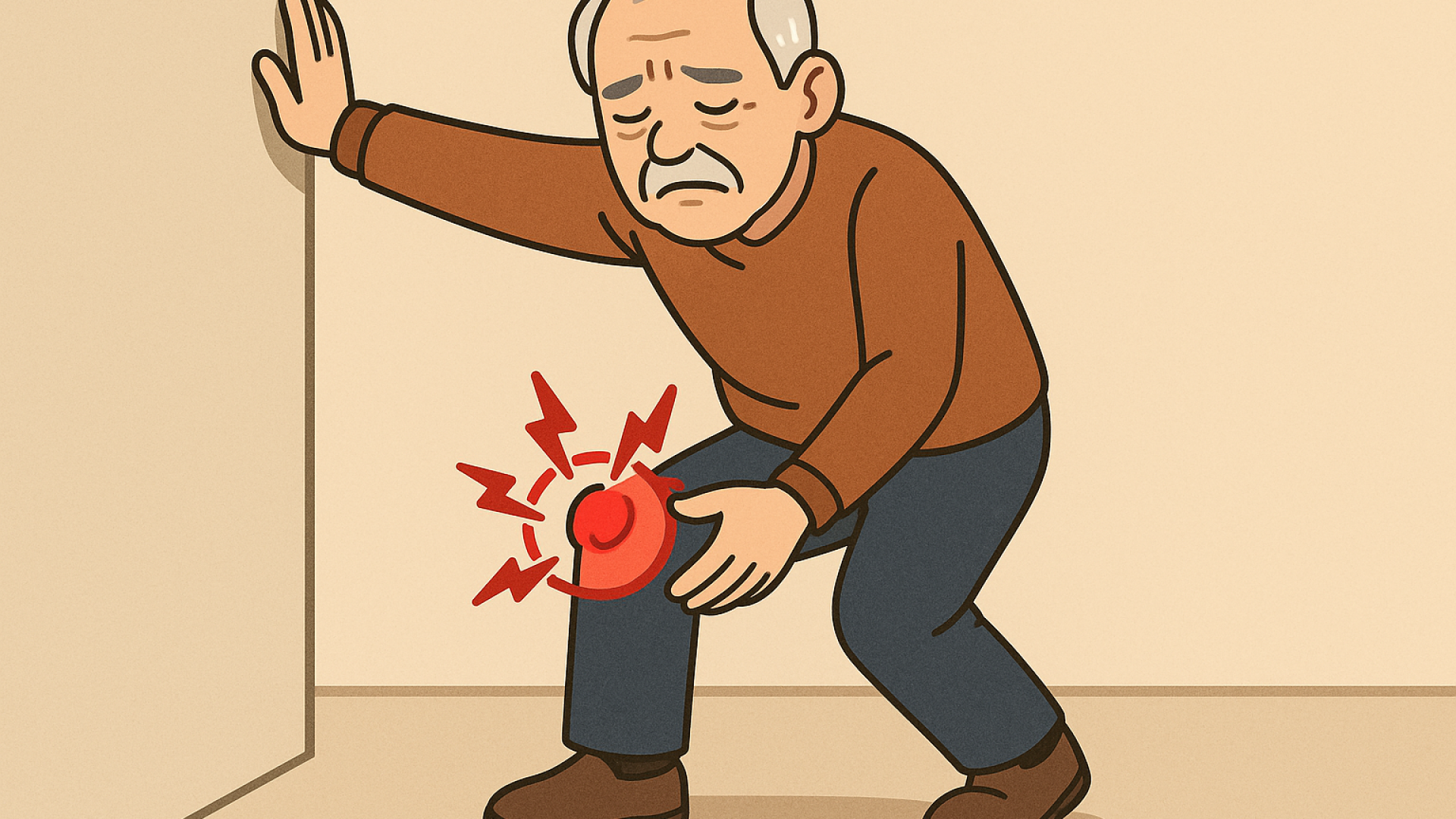
As people age, maintaining an active lifestyle becomes increasingly important, especially for those aged 45 and above. One of the most common health issues faced by this age group is knee joint pain, which can significantly affect quality of life. Lack of regular exercise is a major contributing factor to the development and worsening of joint discomfort.
When the body is inactive for extended periods, the muscles surrounding the knee joints weaken, and the cartilage that cushions the joints can deteriorate. This leads to increased friction between bones, causing pain, stiffness, and reduced mobility. Additionally, inactivity can contribute to weight gain, which places extra stress on the knees, further exacerbating joint problems.
Why Exercise Is Essential for Joint Health
Engaging in regular physical activity helps maintain muscle strength, flexibility, and joint function. Exercise promotes the production of synovial fluid, which lubricates the joints and nourishes the cartilage. This fluid is vital for reducing wear and tear on the knee joints.
Moreover, exercise aids in weight management, reducing the load on the knees and preventing further damage. It also improves blood circulation, which supports tissue repair and reduces inflammation around the joints.
Recommended Movements to Alleviate Knee Pain
For those experiencing knee pain, incorporating gentle exercises can provide relief and improve joint health. Here are some effective movements to perform when knee discomfort arises:
- Quadriceps Stretch: Stand near a wall or chair for support. Bend one knee and bring your heel toward your buttocks, holding your ankle with your hand. Hold the stretch for 20-30 seconds and switch legs. This stretch helps loosen the muscles at the front of the thigh.
- Hamstring Stretch: Sit on the edge of a chair with one leg extended straight and the other foot flat on the floor. Lean forward gently from the hips toward the extended leg until a stretch is felt at the back of the thigh. Hold for 20-30 seconds and repeat on the other leg.
- Heel and Calf Raises: Stand with feet hip-width apart and slowly raise your heels off the ground, balancing on the balls of your feet. Hold for a few seconds, then lower your heels back down. Repeat 10-15 times to strengthen calf muscles and support knee stability.
- Leg Raises: Lie on your back with one leg bent and the other straight. Slowly lift the straight leg to the height of the bent knee and hold for a few seconds before lowering it. Repeat 10-15 times per leg to strengthen thigh muscles without putting strain on the knees.
Additional Tips for Joint Health in Midlife and Beyond
Besides regular exercise, maintaining a balanced diet rich in anti-inflammatory foods, staying hydrated, and avoiding prolonged periods of sitting can help protect knee joints. Consulting with a healthcare professional or physical therapist is advisable before starting any new exercise routine, especially for individuals with existing joint conditions.
In conclusion, for those aged 45 and above, avoiding physical activity can lead to painful knee joints and reduced mobility. Incorporating simple, targeted exercises into daily routines can alleviate discomfort and promote long-term joint health, enhancing overall well-being and quality of life.